A home lockout has a way of finding you at the worst hour, after a late shift, mid-thunderstorm, or with dinner going cold in your hands. Orlando Mobile Locksmith opens residential doors without damaging the lock or the frame, for houses, apartments, condos, and vacation rentals across metro Orlando. Our vans run seven days a week, and one call to us puts a technician on the way to your door.
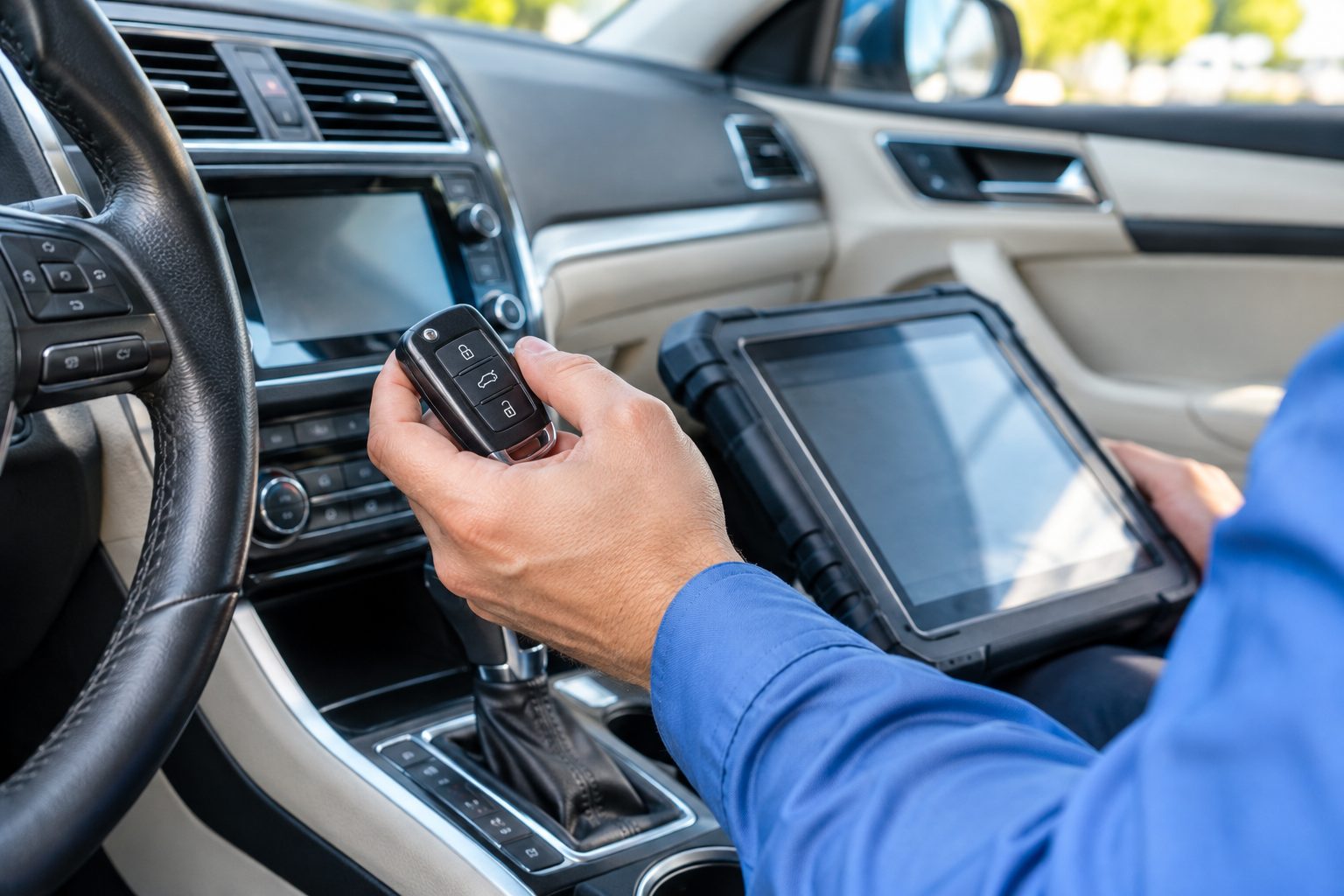
The instinct when you are locked out is to force something, a credit card in the latch, a shoulder against the door, a screen pried off a window. Those shortcuts usually create a repair bill larger than the lockout. Our approach is quieter. A technician comes to your address, verifies that you live there, examines the lock, and opens it using picks, decoders, or bypass techniques appropriate to that specific hardware. Standard pin tumbler deadbolts and knob locks, the kind on most Orlando homes, respond well to skilled picking and come through the process working exactly as before. High-security cylinders take more patience but rarely require drilling; when drilling truly is the only option, we say so before touching the door, explain why, and replace the cylinder afterward so you are never left with a hole where a lock used to be. Verification is part of every visit: photo identification showing the address, or ID plus a document like a lease, utility bill, or piece of addressed mail once the door is open. It is a short step, and it is how a legitimate entry service has to operate.
Renters get locked out at least as often as homeowners, and their situations come with extra layers. Many apartment offices keep spare keys, but offices close, and weekend or late-night lockouts leave tenants stranded until Monday unless someone opens the door. We do that, with verification that you are the lawful occupant, not just someone standing at a door. Around UCF, student housing generates a predictable wave of lockouts every semester: roommates on different schedules, keys left in a lecture hall, doors that lock automatically behind a quick trip to the laundry room. Condo buildings and gated communities add access logistics, so tell us when you call whether the technician will need a gate code, a call box entry, or a meeting spot at the entrance. One caution for renters: check your lease before authorizing any lock work beyond an opening, because many landlords require that they control key copies and lock changes. Opening your door to let you back in is your call. Changing the hardware usually is not, and we would rather flag that up front than create a problem between you and your landlord.
Damage-no-obligation entry is a craft, and the tools reflect it. Lock picking manipulates the pins inside the cylinder the same way the correct key would, so the lock survives the process untouched and your existing key keeps working afterward. Decoding tools read the lock and let the technician determine the key cuts, which on some hardware is faster than picking and just as gentle. Bypass techniques exploit design characteristics of particular latches and knobs without engaging the cylinder at all. What we avoid is the brute-force menu: drilled cylinders, snapped latches, pried frames, and broken sidelights that turn a ten-dollar problem into a repair project. Occasionally a lock earns its destruction, some failed or seized cylinders cannot be saved, and certain high-security designs resist every gentle option, but that is a conversation we have with you first, standing at the door, before anything irreversible happens. If a lock does need to be replaced, the van carries residential hardware in common finishes, so the same visit that opened your door can leave it secured with a fresh deadbolt keyed to a new key in your hand.
Central Florida has one of the largest vacation-rental markets in the country, and those homes produce lockouts with their own personality. Guests arrive at midnight to a lockbox code that does not work. A smart lock battery dies mid-stay and the backup key is in a drawer inside the house. Kids press buttons on a keypad until it locks everyone out. Property managers juggling dozens of doors across Kissimmee, Davenport, and the resort communities off the 192 corridor cannot always get there quickly, and a family standing in the driveway with luggage cannot wait for morning. We work these calls regularly, for guests with the owner or manager on the phone authorizing entry, and for owners and managers directly. If you manage short-term rentals, save our number: beyond emergency openings, we service the hardware that causes these calls in the first place, replacing worn keypads, rekeying backup cylinders, and standardizing locks across a portfolio of properties so one master approach covers every house. For guests, the essentials when you call are the property address, who is authorizing the entry, and a callback number. We handle it from there.
Not every lockout is about keys. Central Florida humidity swells wooden doors and shifts frames, and by late summer plenty of homeowners are fighting a deadbolt that will not throw or a latch that no longer meets the strike plate. The lock is fine; the door has moved. This shows up constantly in older Winter Park bungalows with original wood doors and decades of paint, but newer construction is not immune, even recently built homes in Lake Nona and Winter Garden settle, and a misaligned strike can leave a door that locked fine in February refusing to open in August. Afternoon thunderstorms make it worse, since a soaked door swells further and a power flicker can scramble an electronic keypad mid-storm. We treat these as what they are: mechanical problems with mechanical fixes. The technician can open the stuck door, then adjust the strike plate, ease the fit, lubricate the cylinder, or replace hardware that heat and moisture have genuinely worn out. If your door has been getting harder to lock for weeks, that is the warning stage, dealing with it on a calm Saturday beats dealing with it locked out in the rain.
How do you confirm I actually live at the home?
Photo identification showing the address is the simplest route. If your ID lists a different address, common for renters, students, and recent movers, we pair your ID with a lease, utility bill, or addressed mail, checked once the door is open if those documents are inside. Verification happens on every residential opening without exception.
Will my lock still work after you open it?
Yes, in nearly all cases. Picking and decoding operate the lock the way a key would, so the cylinder is unharmed and your existing keys keep working. If a lock is seized, failed, or built to resist non-destructive entry, we explain the situation before doing anything irreversible and can replace the hardware in the same visit.
I lost my house keys entirely. Can you do more than open the door?
Absolutely, and you probably should. If keys are lost rather than just left inside, rekeying the locks means the missing keys become useless to whoever finds them. The van carries pinning kits and fresh keys, so the same technician who opens your door can rekey every affected lock before leaving.
Can you open a smart lock or keypad deadbolt?
Usually. Most electronic locks include a mechanical key cylinder we can pick, and dead batteries are often solvable through external power contacts built into the lock. Fully keyless models vary by brand, so tell us the make when you call. We can also replace a failed unit and rekey its backup cylinder on the spot.
Do you handle lockouts inside gated HOA communities?
Yes, Lake Nona, Winter Garden, Hunters Creek, and similar gated neighborhoods are regular territory for The only wrinkle is getting through the gate, so mention when you call whether we should use a guest code, a call box that dials your phone, or meet you at the entrance.
I am a tenant. Can you change my locks while you are here?
We can open your door with proper verification, but lock changes on a rental are usually the landlord's decision, many leases require it. If you have your landlord's authorization, we will happily rekey or replace the hardware in the same visit. Without it, we recommend getting written permission first to keep your lease intact.
Most lockouts are an inconvenience. Some are urgent. Before anything else, take a moment to sort out which kind you have.
If none of those apply, you have time to go through the quick checks below, which sometimes end the lockout before anyone arrives.
People who are locked out often focus on the front door and forget that most homes have several entries. Walk around once and check:
What we do not recommend is climbing through windows or lifting a sliding door off its track. Windows on older Florida homes can have sharp edges and broken cranks, second story windows are a fall risk, and a sliding door lifted off its rollers can come down hard on someone or crack the glass. If the only way in involves a ladder or brute force, it is time to call.
A surprisingly common lockout happens with doors that lock on their own. Many knob locks have a push button on the inside that stays locked when the door closes, and some lever locks and storm doors behave the same way. Smart locks and keypad deadbolts often have an auto lock setting that throws the bolt after a set time. People step outside to take out the trash, grab the mail, or let the dog out, and the door locks behind them.
If this has happened to you more than once, it is worth changing the hardware or the settings. Options include replacing a push button knob with one that must be locked deliberately, turning off or lengthening an auto lock delay on a smart lock, or adding a keypad so you can get back in without a key. These changes are small but prevent the same lockout from repeating.
Condo and apartment residents sometimes end up on the wrong side of a sliding door, locked out on a balcony when a latch drops or a child flips the lock from inside. If you are on an upper floor balcony, stay put and call for help rather than trying to climb to a neighbor's balcony. If a neighbor or building staff can let you back in from the inside, that is usually the quickest answer. If not, the building's management or security desk is the next call, and we can help from there with the building's permission. Afterward, consider a secondary lock on the slider that only works from inside at a height small children cannot reach, and make sure the main latch cannot fall into the locked position on its own.
Some lockouts happen with the right key in your hand. The key goes in but will not turn, or turns without moving the bolt. There are a few usual causes:
Do not force a stuck key. That is how keys snap off in the cylinder, leaving part of the key inside the lock. If that has already happened, the piece will need to come out before anything else can be done, and our broken key extraction page explains that step. If the lock itself has failed, we can open the door, then repair or replace the lock in the same visit.
For many Orlando households, the garage is the everyday entrance, so a garage problem can feel like a full lockout. A dead garage keypad battery, a remote left inside, or a power outage after a storm can all leave you outside. Most overhead garage doors have an emergency release on the inside, which is not reachable from outside without a particular opening. Some doors have an outside key release. If your garage door has an exterior keyed lock or release, know where the key is and test it once in a while. A dead keypad often just needs a new battery, which you can fix from the outside on many models once you know how the cover comes off.
Being locked out of a room inside the house also counts as a lockout. Bedroom and bathroom privacy locks lock easily and are meant to open easily from outside in an emergency, usually with a small pin or slotted tool pushed into the hole in the outside knob or lever. Keep one of those tools on top of the door frame. If a child is locked in a bathroom with water running or near medications, treat it as urgent. If an interior keyed lock, such as a home office or storage room lock, is the problem and the key is missing, we can open it and cut a new key.
After a lockout, most people want to know how to avoid the next one. A few practical approaches work well together:
Hurricane season adds its own lockout risks. People lock themselves out while putting up shutters, moving furniture into the garage, or leaving in a hurry to evacuate. After a storm, power outages can disable keypads and garage openers, and doors soaked by wind driven rain may swell and stick. Before the season, make sure everyone in the household has a physical key that works, even if you normally use a keypad or smart lock. Know how your garage door releases and relocks by hand. And if you evacuate, bring your house keys with you rather than leaving them hidden at the property.
For older adults living alone, a lockout can be more than an inconvenience, especially in the heat. Families often ask how to make sure a parent can always get in, and how caregivers or relatives can get in if the parent does not answer the door. A keypad deadbolt solves both: the resident can use a simple code instead of a key, and trusted family members or aides can have their own codes. Keeping one physical key with a nearby family member adds a backup that does not depend on batteries.
Once you are back inside, take a minute to think about why the lockout happened. If the keys were left inside, you are all set. If the keys are lost, and especially if they were lost somewhere with anything showing your address, rekeying is a smart next step so the missing keys no longer work. Our lock rekeying page explains the process. If the lock failed or has been getting harder to use, a repair or replacement now avoids a second lockout later.
Searching locksmith near me in Orlando for a house lockout? We are mobile across metro Orlando and quote the price before we come out. Call us.
ZIP codes we cover in Orlando: 32801, 32803, 32804, 32805, 32806, 32807, 32808, 32809, 32810, 32811, 32812, 32814, 32817, 32818, 32819, 32820, 32821, 32822, 32824, 32825. City services: Orlando Official Website.
Describe the situation by phone and we will tell you what the job involves. Quotes are given by phone. Jobs that cannot be quoted without seeing them need a technician on site, and the service call charge is explained on the phone before anyone is dispatched.