Deadbolt packaging often shows a grade, usually a number from one to three. That label comes from a standardized testing system and gives a rough idea of how a lock performs. This guide explains what the grades measure in general terms, what they do not tell you, and how to use them when choosing hardware.
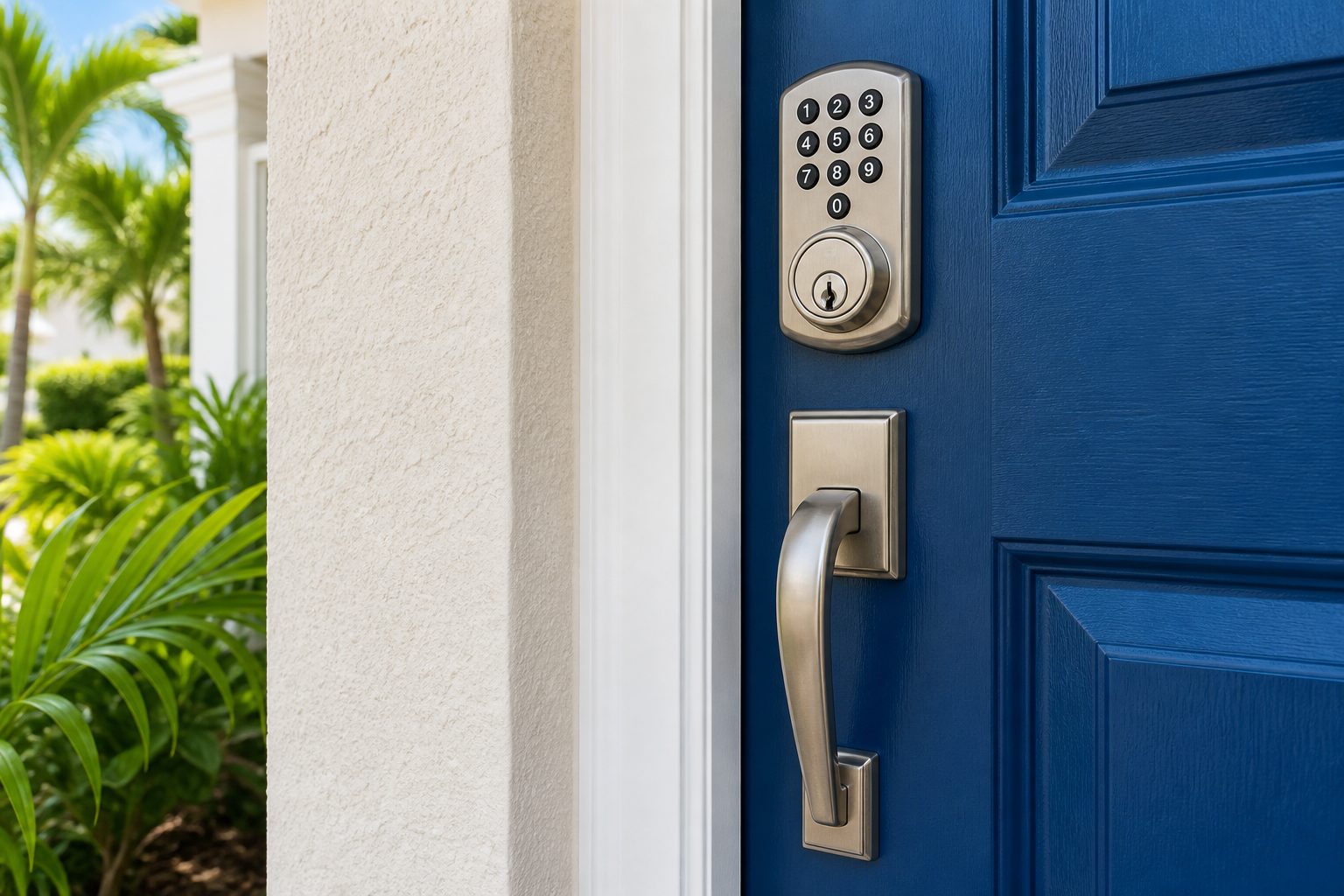
In the United States, many residential and commercial locks are tested against standards published by a national standards body in cooperation with an industry association for builders hardware. The tests cover several aspects of a lock: how many times it can be operated before wearing out, how much force it can resist, and how well it holds up under impact and strain.
The result of those tests is a grade, with grade one being the highest level of performance, grade two in the middle and grade three the basic level. A lock labeled with a grade has been designed and tested to meet the criteria for that level. You will usually see the grade on the packaging, on the manufacturer specification sheet, or sometimes stamped on the lock itself.
These categories are useful, but they are a general guide. They do not guarantee that a lock will resist any specific attempt, and they say little about the quality of installation, the strength of the door or the habits of the people using it. Think of the grade as one input in a larger decision.
Grade one is the top category and is intended for heavy-duty use. These locks are tested for a very large number of operating cycles and for higher levels of force and impact. They are common in commercial buildings, schools and other places where doors are used constantly and security needs are higher. Many homeowners also choose grade one for exterior doors when they want the strongest hardware available.
Grade two sits in the middle. It is designed for light commercial use and for residential doors where a higher level of durability is wanted. Grade two deadbolts offer a good balance of strength and price and are a popular choice for homes.
Grade three is the basic category and is what you will find on many entry-level residential products. These locks meet minimum standards and are suitable for light use and lower-risk situations. They may be appropriate for an interior door or a secondary entrance, but for a primary exterior door many people prefer to step up. The exact figures behind these categories are defined in the standard, and we do not state them here because they are best checked with the manufacturer.
| Grade | General intent | Common settings |
|---|---|---|
| Grade 1 | Highest durability and resistance in testing | Commercial doors, schools, high-use or higher-risk residential entries |
| Grade 2 | Strong performance for light commercial and good residential use | Many home exterior doors, small offices |
| Grade 3 | Basic level meeting minimum standards | Light-use residential doors, secondary entries |
A grade describes a lock under test conditions. It does not describe the door the lock sits in, the frame around it, the strike plate or the screws holding them together. A grade one deadbolt installed in a hollow door with a thin frame and short screws may resist force no better than a lower grade lock in a solid setup.
The grade also does not describe the cylinder's resistance to manipulation. Some locks have excellent bolt strength but a basic cylinder, and the cylinder is a separate matter. Features such as security pins and restricted keyways, discussed in our guide to pick and bump resistance, are not captured by the grade alone.
Finally, a grade does not tell you anything about how well the lock fits your life. A top-grade lock that is hard to operate, or that you never actually lock because it is inconvenient, offers less real protection than a more modest lock that you use every day. The best lock is the one that is suitable for the situation and used consistently.
Most forced entries through a door do not defeat the lock mechanism. They break the wood around it. The frame splits, the strike plate tears out, or the door edge cracks. This is why a strong bolt in a weak frame is a mismatch. The bolt may stay locked while the part of the frame holding it gives way.
A solid core or metal door gives a better base for a deadbolt than a hollow door. The frame should be sound, without rot or splits, and the strike plate should be anchored with screws long enough to reach the framing behind the jamb. Many standard installations use short screws that only grip the thin jamb. Replacing them with longer ones is a simple and valuable upgrade.
Hinges also matter, especially on outward-opening doors. If the hinge pins can be removed from outside, the door can be lifted away regardless of the lock. In a humid climate like Central Florida, wood doors and frames can swell, shrink or soften with moisture, which affects both fit and strength. Inspecting the whole system is a habit worth building.
Several physical details contribute to how a deadbolt performs. The throw is the length the bolt extends from the door edge into the frame. A longer throw engages more of the frame and makes it harder to spread the door and frame apart. Many quality deadbolts have a throw of an inch or more, and this is a feature worth comparing on the specification.
Bolt material and construction also matter. Solid metal bolts, and bolts that include hardened inserts, resist cutting and sawing better than simple hollow ones. An insert that spins on its own means that a saw blade tends to rotate with the bolt instead of cutting it. These are design features you can look for in product descriptions.
The strike plate is the metal piece on the frame that receives the bolt. A heavy-duty plate with a reinforced box and long screws spreads force across more of the frame. Some products include a security strike as part of a package. Ask your locksmith about upgrading it, since the cost of an upgraded strike is small compared to the value of a stronger frame connection.
At home, the grade you choose depends on your priorities and your door. Many homeowners are well served by a grade two deadbolt on a solid door, and some choose grade one for the front and back doors. If you live in a place where doors see heavy daily use, such as a family household with many comings and goings, durability is a practical reason to look at a higher grade.
In commercial settings, higher grades are common because doors are used far more often and the consequences of failure are greater. Business doors may also have exit devices and codes that dictate hardware choices. For example, a door on an exit path must allow easy exit from inside at all times. A locksmith familiar with commercial requirements can help you choose hardware that is both secure and compliant.
For rental properties, durability and ease of rekeying matter. Landlords often prefer hardware that is robust, easy to rekey between tenants and available in a consistent style across units. Choosing a consistent line of lock simplifies management and parts.
When you shop for a deadbolt, look at the box and the specification sheet. You will typically see the grade, the type, the finish, whether it is single or double cylinder and the door thickness range. Check that the lock fits your door, and look for notes about the strike plate and screws that are included.
Beware of vague marketing language. Terms like heavy duty or high security do not mean anything specific unless backed by a grade or other measurable detail. If a package makes strong claims without citing a standard, treat them with skepticism and look for the actual specification.
Also consider the finish and the environment. In Central Florida, humidity and sun can wear plated finishes, so a finish with good corrosion resistance can make a difference over the years. Look for models marketed for exterior or coastal use, and ask about the materials. A tough lock with a failing finish still performs but may look worn and be harder to operate.
Grades do not tell you which cylinder arrangement is wise. A single cylinder deadbolt is keyed outside and has a thumb turn inside, so you can leave quickly in an emergency. A double cylinder needs a key on both sides, which resists someone breaking nearby glass and reaching in, but can trap occupants if the key is not at hand.
Fire safety guidance generally favors easy exit, and many codes restrict double cylinder locks in residential settings. If you have glass near the lock, consider alternatives such as laminated or reinforced glass, a decorative film, or a keyless thumb turn that is placed out of easy reach but still allows exit. A professional can review your door and suggest practical options.
Whatever you choose, make sure everyone in the household can operate the lock under stress. Children, older adults and guests should know how to get out. Test the lock in the dark and with one hand. A lock that is secure but confusing to operate creates its own risk.
For a main exterior door, a grade two or grade one deadbolt installed correctly on a solid door is a reasonable choice for most homes. If your door is heavily used, faces higher risk, or you simply want the strongest option, grade one is worth considering. For a secondary or interior door, grade three may be sufficient.
Do not stop at the lock. Plan the whole door: solid core, sound frame, long screws, reinforced strike plate and sturdy hinges. A modest investment in these details can raise real security more than jumping a grade on the lock alone. It is also worth thinking about habits, such as always locking the door and keeping spare keys controlled.
If you are unsure where your doors stand, ask a locksmith to take a look. They can tell you the grade of your existing locks if it is marked, assess the door and frame, and recommend upgrades that fit your needs. When you are ready, call and describe your doors, and we will explain how the quote works and whether an on-site visit would help before anyone is dispatched.
Grades come from a standardized testing system for locks. Grade one is the highest level of performance in testing, grade two is in the middle, and grade three is the basic level. The grade gives a rough guide to durability and strength, but it does not describe the door, the frame or how well the lock is installed.
Not necessarily. Many homes are well served by a grade two deadbolt installed on a solid door with a sound frame. Grade one is a good choice for heavily used doors or when you want the strongest option. What matters most is that the whole door system is solid and that you lock it consistently.
Not by itself. A high-grade bolt in a weak door or frame gives less protection than it appears to. Installation quality, strike plate screws, door material and hinges all affect real-world security. A balanced upgrade of the whole door often does more than raising the grade on one component.
Look at the original packaging or specification sheet if you kept it. Some locks have the grade or a model number stamped on the bolt edge or inside the body. A locksmith can often identify the model and tell you the grade, and can advise whether an upgrade makes sense for your door.
Single cylinder is usually the safer choice for homes because you can exit quickly with a thumb turn. Double cylinder needs a key inside, which can be dangerous in an emergency and is restricted in some settings. If glass near the lock is a concern, ask about alternatives that keep exit easy.
Yes. Many forced entries break the frame, not the lock. A reinforced strike plate with long screws that reach the wall stud spreads force across more of the frame and makes a real difference. It is a small upgrade that adds a lot of value to any deadbolt.
Describe the situation by phone and we will tell you what the job involves. Quotes are given by phone. Jobs that cannot be quoted without seeing them need a technician on site, and the service call charge is explained on the phone before anyone is dispatched.
Consider a rental unit where tenants change often. A sturdier grade of deadbolt can stand up to heavy daily use and repeated rekeying, so the extra effort may pay off. For a rarely used side door on a house, a lighter grade may be a reasonable fit, provided the strike and frame are solid. Think too about the neighborhood and how your door is used. A front door that sees heavy traffic deserves a sturdier choice than one that opens once a week. Photographs of the door edge and frame before the visit help the technician judge condition.
Think about the door itself. A hollow door with a high grade deadbolt gains little, since the door can be broken near the lock. A solid core door with a modest deadbolt and a long strike screw may perform better than the reverse. The weakest part of the system sets the real level of protection. Cost and availability matter, but they should not be the only guides. A mid range lock installed well can beat a top grade lock installed poorly, and the technician can talk through the balance so that you spend money where it truly adds protection.
A technician can look at your door, frame and use pattern and then explain which grade suits the situation. Because no lock is unbreakable, the aim is to raise the effort required and match the choice to your needs, with options explained before work begins. Finally, remember that locks are one layer among several. Lighting, habits, neighbors and alarms all contribute, and a lock chosen with these in mind works better than one picked in isolation. Ask questions freely, and expect a clear explanation of any quote first.
Installation quality can undo the benefit of a good deadbolt. The bolt must line up cleanly with the strike, enter the frame fully and turn without force. If you must lift or push the door to lock it, something is off, and a strong lock fighting a misaligned door will wear out quickly. Ask the installer to show you how the bolt should feel when the door is properly aligned. A smooth, quiet throw is the sign of good work, while grinding or resistance suggests a problem.
Details count. Long screws in the strike plate should reach the wall stud behind the jamb. The latch and bolt holes should be drilled cleanly to the right size. The cylinder collar should sit firmly against the door face without gaps that invite tools. If the door has been fitted with a new lock before and the holes are enlarged or damaged, a patch or a larger escutcheon may be needed. That is a normal part of the work, and the technician will explain the plan so that you know what you are getting.
After installation, test the lock from both sides several times with the door open and closed. Check that the thumb turn moves freely and that keys work smoothly. If you notice binding in humid weather, tell the technician, since a small adjustment usually fixes it. Keep the original packaging or paperwork. It lists the model, grade and key code, which helps if you later need to order a matching key or a replacement part, and it spares you from guessing about what is actually on your door.