A lease ends, the unit is empty, and a set of keys has not come back. Until the locks are changed, someone outside your control can still open the door. Handling it well means confirming the move-out first, then rekeying promptly and keeping a clear record.
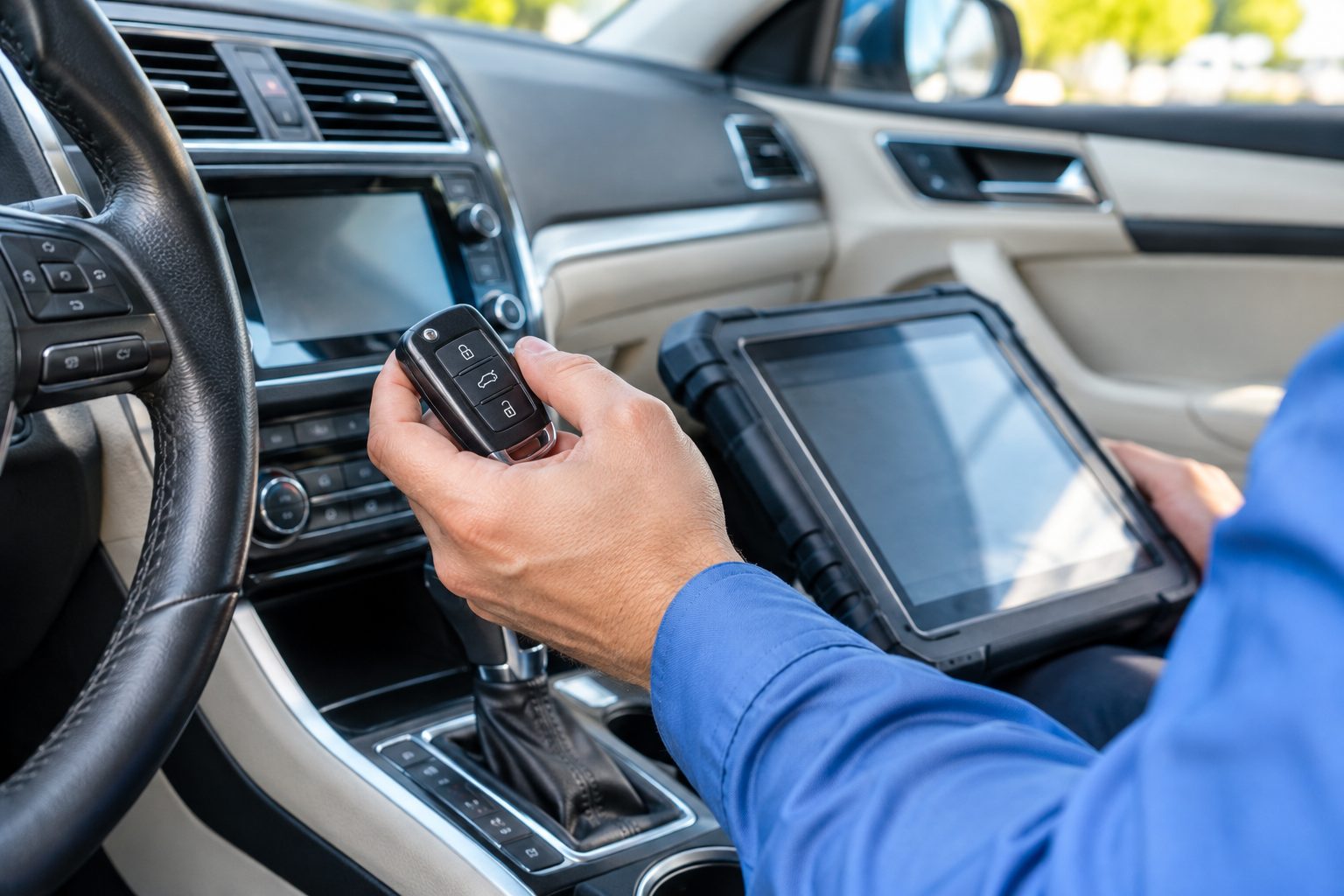
Every key that leaves your control is a possible entry point. A tenant who moves out and does not hand back a key, or hands back only some of them, retains a working path into the unit. Most former tenants have no bad intentions, and many simply forget keys in a jacket or a drawer. Still, the risk is not about trust. It is about control. You cannot say who can enter a unit if you do not know how many working keys exist and where they are.
The issue grows with each handoff. A tenant may have given a copy to a relative, a friend, a roommate, a dog walker or a cleaner. Roommates who left earlier may have taken their own keys. Maintenance staff, contractors and former managers can add more. By the time a lease ends, the number of working keys can be higher than anyone remembers.
For a landlord or property manager, unreturned keys matter for liability as well as safety. If the unit is vacant and someone enters with an old key, damage or theft can follow, and questions will be asked about what steps were taken to secure the property. A prompt rekey, with a record of the date, is an easy and sensible answer. It also protects the next tenant, who is entitled to a unit that is secure from the first night.
Good key control starts before the lease ends. Keep a simple key log for each unit that lists how many keys were issued at move-in, who received them, and the date. At move-out, count the keys returned against that log and note any missing. A written receipt that both parties sign is a useful record, particularly if a dispute arises later.
Tag keys with a number that does not reveal the address. A key that is lost with the unit address written on it is a hazard. Use numbered tags that map to a record you keep privately. For larger properties, a lockable key cabinet or a digital tracker makes it easy to see which keys are in the office and which are out.
Consider limiting the number of keys per unit and avoiding duplicates by anyone but you or your locksmith. Restricted key blanks that cannot be copied at a hardware store add a layer of control for multi-unit properties. Our key control policies guide covers the principles, and property manager lock service describes how a locksmith can support portfolios of units.
Before any lock is changed, be sure the tenant has actually left and the tenancy has legally ended. Florida law places limits on landlords who try to force a tenant out by changing locks or removing belongings while the tenant still has a right to occupy. This is a real legal risk, and it applies even if rent is behind. A locksmith cannot decide that question for you, and a responsible locksmith will ask for confirmation before working on a rental unit.
Signs that possession has ended include a signed move-out notice, a surrender of keys, an agreed move-out date that has passed, a completed inspection with the tenant, or a court order where one has been issued. If a tenant has abandoned a unit without notice, the process for treating it as abandoned has its own requirements. Speak with a landlord-tenant attorney, a property management association or the appropriate court office if you are not sure.
The practical rule is simple: change locks only once you are confident the tenant no longer has the right to be in the unit. Keep a copy of the paperwork that supports that position. When you call a locksmith, be ready to describe the situation honestly and to show that you are the owner or authorized manager. That protects the tenant, you and the technician.
In most cases a rekey is the right tool. Rekeying keeps the existing hardware and changes the internal pins so the old keys no longer work. New keys are cut to match. It is faster than replacing the lock, less expensive in most cases, and it leaves the door looking the same. Because it is quick, it is the standard response to a turnover.
Replacement makes sense when the lock is worn, damaged, unreliable or of poor quality, or when you want a different feature, such as a keypad or a higher-security deadbolt. A lock that was forced, a deadbolt that sticks, or a cylinder that has been tampered with is a better candidate for replacement. The rekey vs replace guide explains how to choose.
Remember every door that someone could enter. Front and back doors, sliding doors with keyed locks, garage entry doors, side gates, mailbox keys and storage closets are all common misses. A rekey that leaves the back door on the old key leaves the gap open. Make a list before the technician arrives, and ask for every lock to be keyed alike where it makes sense, so the next tenant carries one key rather than four. See lock rekeying for more.
The best moment to rekey is after the tenant has handed over possession and before the next tenant gets keys. That window can be short, especially in rental-heavy parts of Orlando near campuses, theme-park employment hubs and large apartment communities, where units are turned in a few days. Planning the rekey as part of the turnover checklist keeps it from being forgotten.
For single-family rentals, it can be useful to schedule the locksmith alongside painters, cleaners and repair contractors. A technician who arrives after the unit is empty and before the final walk-through can complete the work without disturbance. If several units turn over at once, ask about scheduling a group visit, since rekeying multiple units in a single trip is usually smoother than separate calls.
If a tenant has left suddenly and you are worried about immediate access, you may want a rekey as soon as possession is confirmed, even before cleaning begins. Call and explain the situation, and we can talk through what is practical. We do not promise arrival times, and availability depends on the day, but we will say plainly what we can do.
Apartment communities and townhome developments add complications. A tenant may hold keys for the unit door, a building entry, a mailbox, a pool gate, a fitness room and a package room, all of which can be separate systems. Changing only the unit lock leaves the shared areas exposed to an unreturned key. A good turnover plan lists every access point the tenant used and decides which ones change.
Some properties use a master key system, where the office or maintenance staff hold a key that opens many units. If a tenant's key is lost, the master is not at risk, but if a master key goes missing, many units are affected. That is a bigger problem and often calls for a wider rekey or a new system. The master key systems page explains how those systems work and how they can be restructured.
Electronic access control reduces the issue. Fobs and cards can be deactivated individually in software, and a lost fob does not require rekeying the door. For HOA and community properties, the HOA and community lock service page describes options. If you are a landlord with several rentals, ask about a standard hardware choice that makes turnover quicker.
Sometimes you learn only after the fact that a former tenant gave keys to others. You may not be able to recover them, and arguing about it is rarely productive. The practical answer is to render those keys useless. A rekey does exactly that, whether the keys are in a kitchen drawer or a stranger's pocket.
If there is real worry about safety, for example a dispute that turned hostile or threats made at move-out, consider a rekey and a hardware upgrade at once, and consider whether the police should be informed. A deadbolt with a reinforced strike plate and a sturdy frame makes forced entry harder. The door frame and hinge security guide covers those weaknesses.
Keep your records. Photograph the unit at move-out, keep the key log and keep the locksmith's invoice. If the former tenant later disputes a deposit deduction or claims that they were locked out, those records support your position. Charges for rekeying are a matter between you and your tenant under the lease and the law, so check the lease terms or ask an advisor before deducting anything.
When you call, say that you are the owner or the authorized manager of the property and that the previous tenant has left keys unreturned. A responsible locksmith will ask for the address, the number of locks to rekey and some form of proof of authority on arrival, such as a lease, a management agreement, a utility bill or a photo ID that matches the owner. That check is for everyone's protection, including the tenant's.
Describe the doors involved and the lock types if you can. A front door deadbolt and knob, a back door deadbolt and a sliding door lock are common. Mention if any lock is damaged, if the unit has a keypad or smart lock and whether you want keys keyed alike. The technician arrives, tests each lock, rekeys the cylinders, cuts new keys and tests them, and then hands over the keys to you.
Quotes are given by phone. A single-door rekey is usually simple to quote, while several locks or damaged hardware may need a visit to look first. A service call charge applies, explained on the phone before dispatch. See how a phone quote works for the process.
If a former tenant still has your keys, do not wait for something to happen. Confirm the tenancy is over, gather your paperwork and call. We will walk through the next step together.
A repeatable checklist turns key control from a worry into a routine. Begin at the move-out inspection by counting every key, fob, gate card and mailbox key handed back, and compare the count with the move-in record. Note the result in writing and have the tenant sign if they are present. If anything is missing, record that fact calmly without accusation, because the rekey solves the problem regardless of who holds the key.
Next, schedule the rekey for the first day the unit is confirmed empty. Pair it with the other turnover tasks so nobody is waiting on anyone else. After the rekey, test every new key in every lock yourself before the technician leaves, including the back door, the sliding door and any storage room. Label the new keys with numbered tags and log them in your key record.
Finally, close the loop with the next tenant. Hand over the keys with a receipt that states how many were issued, and mention that copies should only be made through you. Tenants who understand why a key is controlled usually respect it, and a short conversation at move-in prevents many of the problems described on this page. A tidy routine also helps if you manage several units, since the same steps apply every time.
Only once you are sure the tenancy has ended and the tenant no longer has a right to the unit. Florida law limits lockouts of tenants who still have a right to occupy. Keep your paperwork, and ask a landlord-tenant professional if you are unsure. A locksmith will ask you to confirm authority before working.
Rekeying is enough in most cases, since it makes old keys useless while keeping the hardware. Replace locks that are worn, damaged, tampered with or low quality, or when you want a keypad or stronger deadbolt. A technician can advise after seeing the hardware.
List every door that the tenant could open, including front and back doors, sliding doors with key locks, garage entry doors, gates, mailboxes and storage rooms. Missing one leaves the old key working. Ask to have the doors keyed alike so the next tenant carries one key.
That depends on your lease terms and Florida law, and it is a matter between you and the tenant. Many landlords rekey at every turnover as normal maintenance. Check your lease or ask a professional before deducting anything from a deposit.
Rekeying makes every old key useless, wherever it is. That is the cleanest answer when you cannot recover copies. If safety is a worry, add a stronger deadbolt and strike plate, and consider informing the police if there were threats.
Usually something showing you own or manage the property, such as a lease agreement, management contract, utility bill or matching photo ID. This protects tenants and owners alike. Quotes are given by phone, and the call will tell you what to have ready.
Describe the situation by phone and we will tell you what the job involves. Quotes are given by phone. Jobs that cannot be quoted without seeing them need a technician on site, and the service call charge is explained on the phone before anyone is dispatched.
Before a locksmith changes anything on a property, it helps to build a simple record of the handover. Note the date the tenant vacated, who gave notice, how many keys were originally issued, and how many came back. Photographs of the doors, the lock hardware, and any key tags create a baseline that protects both the landlord and the next resident. If the tenant disputes the move out date or still has belongings inside, pause and sort out possession first, because changing locks on a unit that is still lawfully occupied creates problems of its own. Local rules about notice vary, so check your lease terms.
Next, decide how many locks are involved. Many units have a main entry, a deadbolt, a secondary door, a mailbox, and sometimes a garage or storage closet, and a former tenant may hold keys to any of them. Walk the property and make a list, so the technician arrives knowing the full scope. If the doors are keyed alike, that is worth mentioning, since rekeying them together keeps the new keys simple for the next resident. Look for loose handles, worn latches, or sticky bolts at the same time and mention them, because the visit is an easy moment to fix small issues.
When the technician arrives, the work follows a clear sequence. Each lock is inspected, the cylinders are rekeyed or replaced as agreed, and new keys are cut and tested in every lock. The scope and any quote are explained before work begins, so there are no surprises. Afterward, tag and log the new keys and store the extras in a controlled place rather than a shared drawer. Keep a short written record of the date and what was changed. That history makes the next turnover faster and gives you something concrete if a question ever arises about who held access.