Chuluota is a rural pocket of east Seminole County, with wooded lots, long drives, horse properties and gated acreage. Locks and gates carry more of the load when neighbors are far apart. If a gate, a barn door, a truck key or a house deadbolt has failed, call and describe where you are.
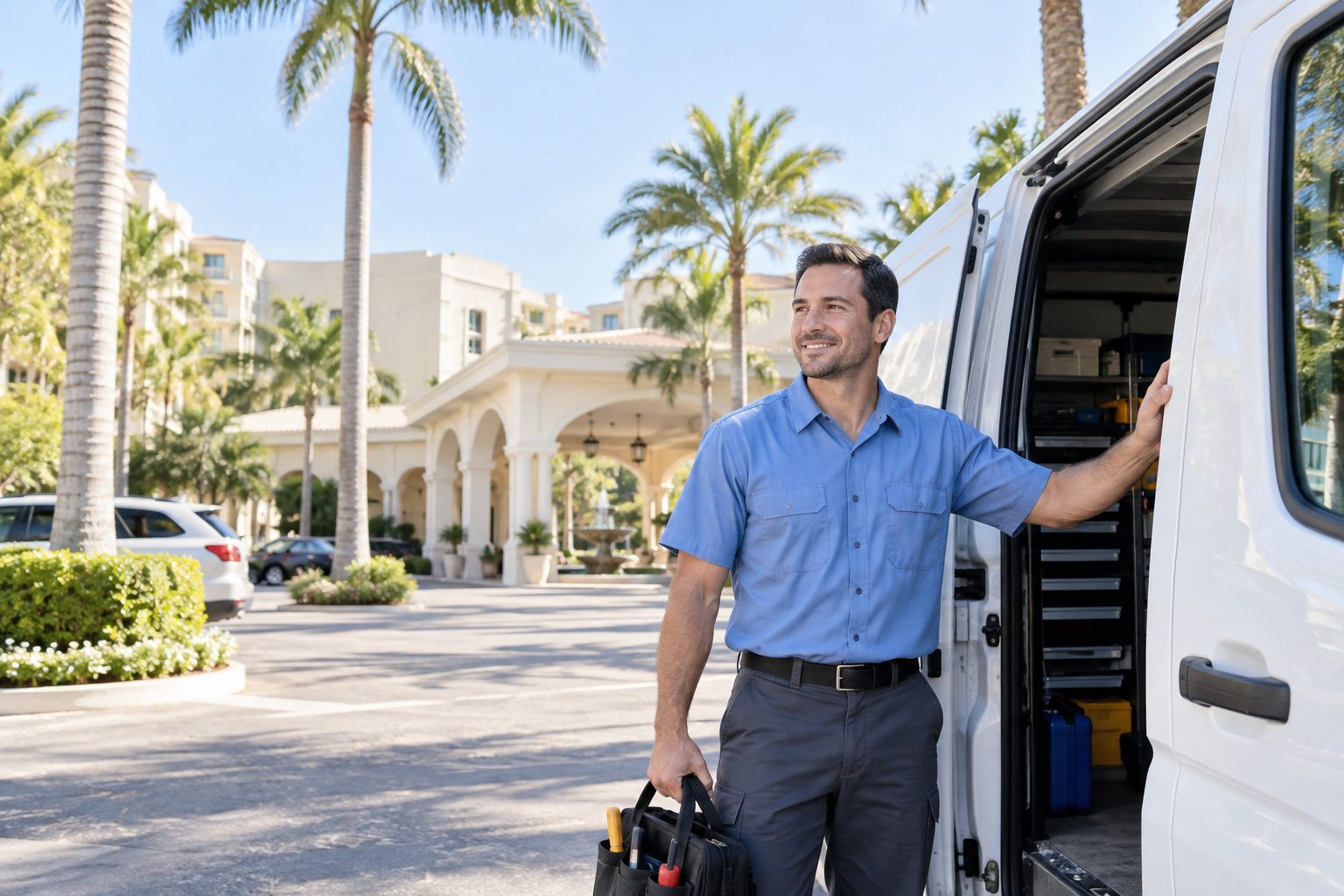
Chuluota lies east of Oviedo, in a part of Seminole County that has kept much of its rural character. Roads wind between pine and oak, lots can be large, and many properties are set well back from the road behind a gate or a long driveway. Some are working horse properties. Some are family homesteads. Some are newer houses built on acreage by people who wanted space. The result is a place where the property is bigger than the house, and security is about the whole parcel.
That layout shapes locksmith work. A property with a gate, a main house, a detached garage, a barn, a workshop, a pump house and several vehicles can have a dozen or more locks, each with a different key. People collect keys over time. They inherit locks from previous owners. They add padlocks as needs arise. The result is often a ring of keys that nobody can fully identify and a few doors that nobody is sure are really secure.
This page walks through the situations Chuluota owners are most likely to face and explains what to do about them. It does not promise a specific arrival time, because distance, road conditions and workload change. You will get a quote by phone, with the service call charge explained, before a technician is dispatched, and complicated jobs may need an on-site visit before a final quote.
On acreage, the gate is often the first line of security, and it is also the piece that gets the most daily wear. Manual gates use chains, latches and padlocks. Electric gates use operators, keypads, remotes and sometimes a lock or a magnetic latch. All of them are exposed to sun, rain, dust and the occasional collision with a truck or a tractor. Hinges sag, latches stop lining up, and a gate that once closed cleanly starts needing a shove.
A locksmith can help with the lock and latch parts of a gate. That can mean replacing a worn padlock, installing a heavier latch, adding a gate lock that is designed to resist weather, or rekeying a set of padlocks so that every gate on the property uses the same key. A good gate latch should engage every time without the need to lift or slam. If it does not, the problem might be the hinge, the post or the alignment, which a fence or gate contractor can address.
If you rely on an electric gate, learn how to open it manually and keep that information somewhere your family can find. Power cuts after storms are common, and a gate that will not open can trap a vehicle in or out. For a gate keypad that has stopped working, check batteries or power first, and contact the installer or manufacturer if the operator itself is the problem. See gate lock and latch repair and electric strikes and maglocks for related options.
Horse properties bring their own security needs. Barns hold feed, tack, saddles, tools, trailers and sometimes medications for animals. Saddles and tack are valuable and easy to carry, which makes a tack room a target. Feed rooms attract pests if left open. Stall doors and paddock gates need latches that keep animals in and are safe for animals and handlers.
From a locksmith's side, the best advice is to keep it simple and sturdy. A solid deadbolt on the tack room door, a good strike plate with long screws, and a shielded padlock on any exterior hasp make a real difference. Barn doors that slide on tracks can be secured with a hasp and padlock or with a purpose-made sliding door lock. If you are not sure what suits your barn, a technician can look at the structure and suggest something realistic.
Do not use hardware that could trap an animal or a person. A lock on a stall door should be easy for a handler to open quickly in an emergency, and latches near animals should not have sharp edges. Where fire safety matters, such as in an enclosed barn with people sleeping nearby, make sure there is always a quick way out. A locksmith will not install anything that creates a safety hazard. See security hardware and strike plate reinforcement.
Houses in the Chuluota area vary from older frame homes to newer builds. On many, the front door is the best-secured door, and the others are an afterthought. A good first step is to walk the house and check every exterior door and every window that can be opened. Does each door have a deadbolt, or only a knob lock? Are the strike plates fastened with short screws that only reach the trim? Does the sliding door have a secondary lock? Is the garage entry door solid?
On acreage, a few improvements stand out. Longer screws in strike plates and hinges, a reinforced strike plate, and a quality deadbolt give an entry door far more resistance to being kicked in. Pin locks or track bars on sliding doors make them harder to lift or force. Window locks that actually engage, rather than ones that have been painted shut or broken, close another gap. None of this is exotic. It is basic hardware, installed properly.
If you have recently moved in, rekey the locks. Rural properties tend to have had many keys given out over the years. A rekey makes every old key useless and gives you a clean start without replacing good hardware. See lock rekeying, deadbolt install and repair and moving into a new home security steps.
Chuluota owners tend to own trucks, trailers and equipment. Many also own all-terrain vehicles, golf carts, riding mowers and tractors. Keys for these get lost in woods and fields, are dropped from pockets and are left in vehicles that are then locked. A key that has been through mud and rain may stop working, and a transponder key on a newer truck may need to be reprogrammed.
A mobile automotive locksmith can often cut and program keys on site for many makes and models, open a locked vehicle without damage, and extract a broken key. Proof of ownership is required, so keep registration or title documents somewhere safe, preferably not locked in the same truck. If you have a trailer or camper, RV and trailer locks explains what can be done for coupler locks and door locks.
If you have only one key to a truck, get a spare made before you lose it. It costs far less effort to copy or program a spare when you still have a working key than to start from scratch. For details about keys with chips, read transponder key programming and what is an immobilizer.
A lockout in a subdivision is annoying. A lockout on a wooded lot can be unpleasant, especially in summer heat, in the rain or after dark. The nearest spare key may be far away, and there may not be a neighbor to ask for help. Typical situations include stepping out to feed animals and having a door swing shut, locking keys in a truck at the end of a long driveway, or discovering that a gate lock has seized with the vehicle on the wrong side.
If this happens, stay calm and check what is within reach. Is another door or window unlocked, and can you reach it without risk? Is there a spare with a trusted person? If the heat is dangerous, a child or pet is trapped, or someone needs medical help, call 911 first. Otherwise call a locksmith, describe where you are and how to find the property, and wait somewhere safe and shaded with your phone charged.
The technician will ask for ID and proof that you live at the property or own the vehicle. Rural addresses can be hard to find, so give directions that a stranger could follow: the road, the nearest turn, the color of the gate and any landmarks. Mention dogs or livestock. See house lockout service and car lockout service for more detail.
The environment around Chuluota is lush and busy. Rain, humidity, sun, pollen, dust and insects all affect locks. Wasps build nests inside keyways and latch housings. Spiders spin webs in cylinders. Roots and soil shift gate posts. Fallen limbs after storms bend hinges and fences. All of this adds up to hardware that needs regular attention.
A simple seasonal check goes a long way. Look at each gate and padlock a couple of times a year. Operate each lock a few times. Clear debris from keyways with compressed air. Use a lock lubricant suited to the job, sparingly, and avoid heavy grease that traps dirt. Replace rusted hasps and chains before they fail, not after. If a key has become rough or bent, have a new one made instead of forcing it.
After a major storm, walk the property and check every door and gate. A door that no longer latches because of a shifted frame is a security gap. A gate that has been knocked out of line may not close. Where the issue is a lock or latch, a locksmith can help, and where the problem is structural, a carpenter or fence contractor should be called. See humidity and lock longevity and hurricane season door and lock prep.
Rural properties often have many people moving through them: family members, farriers, trainers, contractors, delivery drivers, hunters with permission and friends. Every extra key is a risk, and every shared gate code is another. A simple key control routine does more for security than any single piece of hardware.
Start by listing all locks and all keys. Decide who really needs access to what. Rekey locks so that each group of people has a key that opens only what they need. Keep a master set in a secure place indoors. Keep a short log of when keys are issued and returned. If a key goes missing, rekey the lock immediately, not later.
For gates and outbuildings with many users, a keypad can be easier than keys, because you can change the code without chasing people. Keep the code to those who need it and change it after any change of workers or tenants. Read key control policies and digital lock code best practices. They are written for businesses, but the ideas apply on any property with many users.
Many properties outside town limits depend on a private well, a pump, a septic system or a propane tank, and the equipment that runs them is often housed in a small shed or enclosure at the edge of the yard. Nobody thinks about these locks until water pressure drops or a thief takes copper from a pump house. Copper wiring, motors and fittings have scrap value, and a small shed that is out of sight of the road is an easy target.
A simple, solid lock on a pump house door is worth the effort. Choose a padlock with a shielded shackle, mount the hasp with through-bolts rather than screws, and check that the door itself is solid enough to hold the hardware. If the enclosure is a lightweight shed, a locksmith can reinforce the door and frame. Keep a key where the right people can find it in an emergency, such as a well pump failure on a hot day, but not where a stranger would look.
Propane tanks and fuel storage raise safety issues as well as theft issues. Never block access to shutoff valves with a lock that nobody can open quickly. If you secure a tank enclosure, make sure everyone in the household knows where the key is and how to open it. A locksmith will not suggest a lock that creates a hazard. Be honest about what is stored, so that the hardware chosen suits the purpose.
A gated rural property has to balance two goals: keeping strangers out and letting the right people in. Delivery drivers, utility crews, farriers, veterinarians, landscapers and emergency responders all need to reach the house at some point. If the gate is locked and nobody is home, every one of them is a problem.
Think through who needs access and how. A keypad lets you give a temporary code to a driver or contractor and change it afterward. A lockbox at the gate holds a key for a trusted person. Some owners register gate details with emergency services so that firefighters or paramedics can find and enter the property, and it is worth asking the local fire department what they recommend for your gate type. A gate that cannot be opened in an emergency is a safety problem.
A locksmith can help set up the hardware, but the plan is yours. Write it down, share it with the household and review it from time to time. If an old key or code has gone out to someone who no longer needs it, change it.
When you call, say where you are, how to find the property, what the problem is and what kind of lock or vehicle is involved. A quote is given by phone, with the service call charge explained, before dispatch. Quotes are not given by text or a posted list. For larger jobs, such as rekeying multiple locks across a house and outbuildings, an on-site visit may be needed before a final quote.
Have ready: photo ID, proof of residence or ownership, vehicle details and registration if the job involves a vehicle, and directions that will get a stranger to your gate. If the gate is locked, explain how it will be opened. Mention hazards such as loose animals, soft sand or a low-water crossing.
At the end of the visit, test every lock and key. Ask what was done and what to watch for. Keep a simple record of who holds which key. If you want to plan longer-term improvements, such as a keyed-alike padlock set or a stronger tack room door, say so, and the technician can discuss the options. Read what to expect on a locksmith call for more. When you are ready, call and describe what is going on.
Mobile service covers the Orlando area, including rural east Seminole County. Give your location and directions on the phone, and you will be told whether and how a technician can reach you. No arrival time is promised because distance, road conditions and workload all change.
Often yes, if the padlocks are the kind that can be rekeyed, and mismatched ones can be replaced with a keyed-alike set. This is common on acreage and horse properties. The quote is given by phone based on the number and type of locks, and larger sets may need an on-site look.
A locksmith can help with the lock, latch or keypad side of a gate. If the operator, motor or power supply is at fault, a gate installer is usually the better call. Check the manual release and power first, and describe the symptoms on the phone.
Expect to show photo ID and proof of ownership, such as registration, title or a bill of sale. A careful locksmith asks every time, because making a key without checking could put someone's property at risk. Keep these papers somewhere other than the vehicle itself.
Quotes are given only by phone, and the service call charge is explained before dispatch. No dollar amounts are listed on this site because the answer depends on the job, the lock and the distance. Larger or more complicated jobs may need an on-site visit first.
Call 911 first. Emergency crews can enter quickly and are the right call when a child, a person or a pet is in danger, including from heat. A locksmith can help with access once the emergency is handled, or when nobody is at risk.
Describe the situation by phone and we will tell you what the job involves. Quotes are given by phone. Jobs that cannot be quoted without seeing them need a technician on site, and the service call charge is explained on the phone before anyone is dispatched.