Student housing changes hands constantly. Roommates come and go, leases turn over each year, friends borrow keys and copies multiply. Each change leaves old keys in circulation. This guide explains what to ask your landlord, how to manage shared access and when a lock change is the right move.
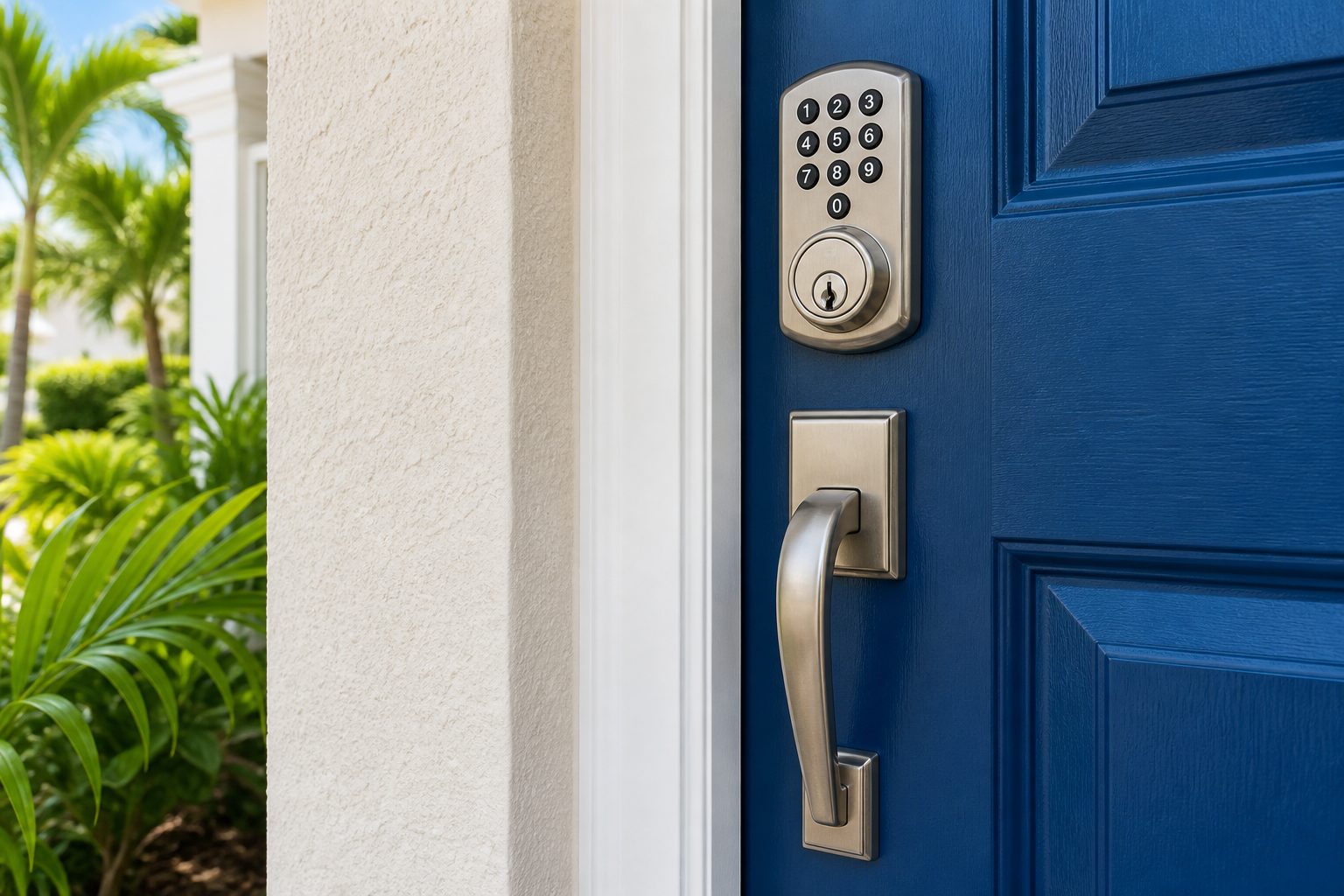
A family home might keep the same locks for years, with a small group of people holding keys. A student rental is the opposite. Leases often run for a single academic year, tenants graduate or transfer, roommates move in and out mid-lease, and the unit may be listed to a new group each time. Every one of those people may have had a key, and some of them made copies.
Shared housing adds more complications. In a four-bedroom apartment, there may be a key for the front door, a key for each bedroom, a key for the mailbox and a fob or card for the building. Roommates may not know each other well, and a person who moves out in the middle of the year may keep a key, whether by accident or on purpose.
Students also lose keys at a higher rate than most people, simply because they are busy and unaccustomed to responsibility for a home. A key lost at a party, in a gym bag or on a night out is not unusual. Without a plan, one lost key becomes a security question for everyone in the unit. The rest of this guide is about putting that plan in place.
In most rentals, the landlord or property manager owns the locks and controls how they are changed. Leases commonly say that tenants may not change or add locks without written permission, and that the landlord must be given a key or access. That does not mean you have no say. It means that lock changes usually go through the landlord, and that you should ask before acting.
Florida has a body of law on residential tenancies, found in Chapter 83 of the Florida Statutes, which covers duties of landlords and tenants. Provisions on locks and keys can differ with the type of dwelling, and the exact wording matters, so it is best to read the current text or ask a qualified professional, such as a tenant organization or an attorney, if you have a specific dispute. This guide gives general information and is not legal advice. The article on landlord lock responsibilities in Florida explains the basics in more detail.
Student housing near campuses may also be run by large management companies, university-affiliated housing or private owners, each with their own rules. Dormitories typically use their own lock and card systems, and students are not allowed to alter them at all. Read your lease, your housing agreement and any handbook before you do anything to a lock.
The best time to sort out lock security is before you move in. Ask the landlord or property manager a few simple questions and write down the answers. Ask whether the locks are rekeyed between tenants, how many keys will be provided, and whether there is a charge or a process for a replacement. Ask who else holds keys, such as maintenance staff or other managers, and how entry for repairs is handled.
Ask about the type of locks. A basic knob lock offers little protection. A deadbolt on the front door is a reasonable expectation. Ask about sliding doors, balcony doors and windows on the ground floor, and whether each has a working lock. Ask whether bedrooms have locks, since in shared housing a bedroom lock helps protect belongings.
Ask about the building. If there are common entrances, fobs, gates or intercoms, find out how they work, how lost fobs are handled and whether access is cancelled for former residents. A lease that says nothing about any of this is a reason to ask more questions rather than assume.
When you receive your keys, test every one in every lock before you carry boxes in. A key that fails on day one is far easier to fix than one that fails during finals week. Try the front door, the back or balcony door, each bedroom, the mailbox and any gate or fob reader. Check that deadbolts extend fully and that doors latch without a shove.
Walk through with a phone camera. Photograph the doors, locks, strike plates and any damage, such as scratches, loose hardware or a frame that looks forced. Send the photos to the landlord with the date, so there is a record that these issues existed before you moved in. This protects you if there is a later dispute about damage.
Count the keys and note the number on the move-in checklist. If the number seems low for the number of residents, ask for more or ask how copies are handled. Do not make copies of keys marked as not to be duplicated without permission, because that can breach your lease. If you need an extra key, ask the landlord or follow the lease process, and see the page on spare key duplication for what is possible with ordinary keys.
Mid-lease changes are among the most common reasons for a security concern. A roommate leaves, moves in with a partner, falls out with the group or goes home for the summer. If that person had a key, nothing physical stops them from using it. Most roommates hand back keys, but some do not, and some make copies without telling anyone.
The clean solution is to rekey the locks. Rekeying changes the internal pins of the lock so that old keys stop working, and new keys are issued to the people who live there. It is quicker than replacing the hardware and does not change how the door looks. In a rental, you will usually need the landlord's agreement and may need the landlord to arrange it. Ask in writing, explain that a former resident holds a key and ask for the locks to be changed.
While waiting, take simple steps. Use the deadbolt whenever you are home, do not leave doors unlocked while you are out and keep valuables out of sight. A bedroom lock or a small lockbox for important items adds protection. For more detail on how the service works, see the page on lock rekeying, and for one particular situation, see when an ex-partner has keys to the home.
A little structure goes a long way. Agree at the start of the lease who has keys and how many copies exist. Write it down in a shared note. When someone moves out, collect their key at the time, not later. Agree what happens if someone loses a key: tell the group and the landlord promptly, not weeks afterward.
Avoid hiding a spare key outside the unit. Mats, planters and electrical boxes are the places a thief checks first, and a hidden key can be found by a visitor, a neighbor or a former tenant who knows the habit. A better plan is to leave a spare with a trusted friend or family member who lives nearby, or to agree that someone will be reachable if another gets locked out. The guide on spare key storage ideas offers options.
If your building uses fobs or cards, treat them like keys. Report a lost one immediately so it can be disabled. Do not lend a fob to someone to let themselves in, even a friend, since that allows access to a building that contains other people's homes. Many properties can cancel a lost fob, which makes it a smaller risk than a lost metal key, but only if you tell them.
Student life involves guests. Friends crash on couches, partners stay over and group study sessions can run late. Handing out keys makes that easy, and it is also how copies end up in many hands. Ask visitors to be let in rather than giving them a key, or give a key only to people who really need it, and ask for it back.
At parties, doors are often propped open or left unlocked, and personal belongings are left in bedrooms. It is sensible to lock bedroom doors during events and keep valuables, medication and documents in a place you control. If a guest leaves with a key by mistake, act on it quickly rather than assuming it will be returned.
If you think someone has a key they should not have, or you have had an unwelcome visit, tell the landlord and consider asking for a rekey. If you feel unsafe, contact the police and campus or building security. Locks are a tool, but your safety comes first.
Many student apartments are in multi-unit buildings with a ground floor, balcony or patio access. The weak points are often not the front door. Sliding glass doors can be lifted out of their tracks or have small, easily defeated latches. Windows may have flimsy locks or none that work. Balcony doors on upper floors may be assumed safe but can be reached from a neighboring balcony.
A bar or a pin in the track of a sliding door is a simple and removable measure, and many landlords allow it. Check that window latches close fully, and tell the landlord if one is broken. Do not rely on a screen as a barrier. The guide on securing sliding glass doors and the page on window lock repair have more detail.
If your door has a gap or the frame looks weak, report it. A strike plate with short screws can be strengthened, and a landlord has an interest in doing so. See strike plate reinforcement for what is typically done.
Lockouts happen to everyone, and student schedules make them frequent. Before you need help, know your options. Your landlord or property manager may have an after-hours number, a spare key or a maintenance contact. Find out what the procedure is and whether there is a fee. Add the number to your phone.
If you cannot reach the landlord, a mobile locksmith can help, but a reputable one will ask for proof that you live in the unit, such as a lease, identification with the address or a utility bill. This is to protect you. A technician who opens a door without asking could just as easily open yours for someone else. Have your documents available in your phone in case you are locked out.
Your lease may say that you must tell the landlord if a lock is changed or a door is opened by a third party. If it does, follow it. The guide on lockout prevention habits includes habits that suit a busy student life, and the page on locked out of an apartment explains how the call goes.
Students often have vehicles, bicycles and storage units as well as an apartment. Car keys and fobs are subject to the same loss risks as house keys, and replacements can take time and proof of ownership. Keep a spare in a safe place and keep your registration and title details accessible. If the car belongs to a relative, know whom to call.
Bike locks and storage unit padlocks are another source of lost keys. Keep a spare at home, and do not put it on the same ring as your car or apartment key. A lost key ring that includes the car, the apartment and the bike lock gives a finder access to a lot. A separate ring for each important item limits the damage.
If you lose a ring with several keys, think about all the locks involved and rekey those that matter. The guide on key control policies has ideas that apply to a small group of roommates just as well as to a business.
When the lease ends, return every key, fob and card you were given, and get a receipt or written confirmation. A key that is not returned can lead to a charge, and a key that is returned to a roommate who then does not hand it in can too. Do not leave keys in the unit or in a drop box without confirmation that the landlord will count them.
Take photos of the condition of the unit, including the doors and locks, when you leave. If a lock was damaged, tell the landlord rather than hoping it will go unnoticed. Do not rekey or replace a lock yourself at the end of the lease, since it may be treated as an alteration.
If you are not sure what applies, or if you want a lock inspected or a key checked before you return the unit, call and describe the situation. A dispatcher can explain what a mobile technician can do, what the visit involves and give a quote by phone. If the landlord must authorize the work, say so, and the dispatcher will explain what is needed.
Usually only with your landlord's written permission. Most leases forbid tenants from altering or adding locks and often require the landlord to hold a key. If you are worried about a former roommate's key, ask the landlord or property manager to rekey the unit and ask for confirmation in writing.
First ask for the key back. If you are unsure whether it was returned or copied, ask your landlord to rekey the locks. In the meantime use the deadbolt, keep doors locked and put valuables away. A rekey cancels old keys without changing the look of the door, and it is a short job.
Not really. Common hiding places are the first spots a thief checks, and neighbors or visitors may see you use it. A better choice is to leave a spare with a trusted friend or relative nearby, or to agree with a roommate on a plan for lockouts.
It depends on your lease and the circumstances. Many leases make the tenant responsible for lost keys, and some charge for rekeying. Ask the landlord before work is done, and keep any receipts. For general information about Florida rules, read the current statutes or ask a qualified tenant resource, since this site cannot give legal advice.
Expect to be asked for identification and proof that you live in the unit, such as a lease, an ID showing the address or a utility bill. This protects you and the property. If you cannot provide it, contact your landlord first, since they can authorize access, and keep your documents saved on your phone.
It is safer not to. Each key you hand out can be copied, lost or passed on. Let guests in yourself, or use a plan where one roommate is reachable. If someone must have access regularly, record who holds the key and ask for it back when the arrangement ends.
Describe the situation by phone and we will tell you what the job involves. Quotes are given by phone. Jobs that cannot be quoted without seeing them need a technician on site, and the service call charge is explained on the phone before anyone is dispatched.