A week or two away is long enough for small oversights to turn into real problems. An unlatched door, a forgotten garage opener or a spare key in the wrong hands can matter more when nobody is home. This checklist covers doors, windows, the garage, keys and who to trust while you are gone.
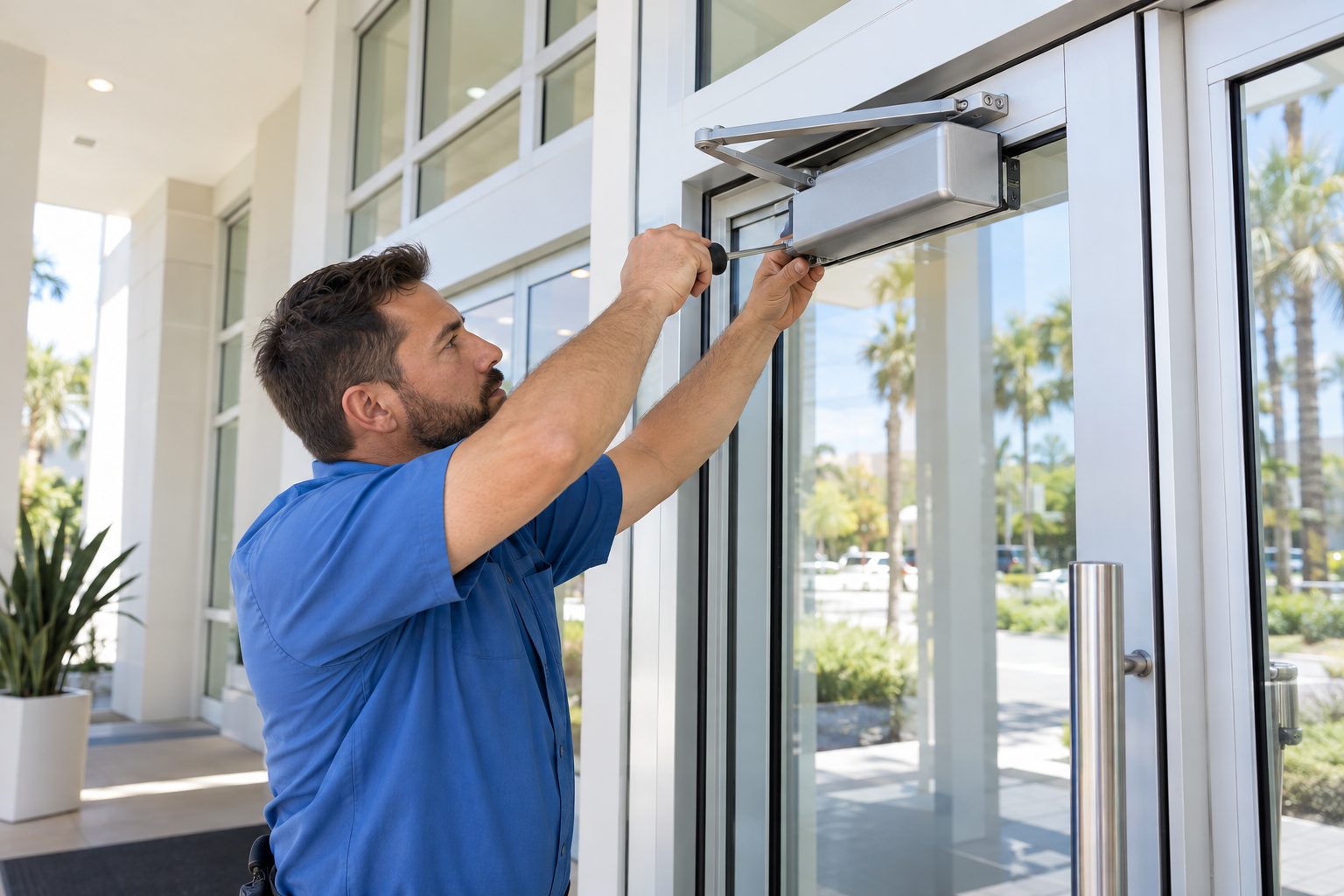
Most people leave on a trip in a rush. Bags are packed, someone is waiting in the car, a flight is on the clock and the house gets a quick once-over. That is exactly when a back door stays unlatched or a garage door is left a few inches open. A written routine, followed in the same order every time, replaces memory with habit and takes only a few minutes.
A vacant home has different needs from an occupied one. Nobody is there to notice a noise, hear a door rattle or spot a package left on the step. Neighbors may not know you are away. So the aim is to make the property look and behave as normal as possible while also making each entry point as hard to open as you reasonably can.
This checklist is meant to be practical, not paranoid. You do not need to turn your home into a vault. You need to remove easy opportunities, make sure everything that should be locked is locked, and arrange for someone reliable to keep an eye on things.
Start at the front. Close the door and throw the deadbolt with the key or the thumb turn. Do not rely on the latch alone. A spring latch holds the door closed but can often be pushed back, while a deadbolt extends a solid bolt into the frame. Then push on the door to check that it is actually locked, because a door that looks shut may not be latched.
Repeat for the back door, side doors, the lanai slider and the door between the garage and the house. Many Central Florida homes have more entry points than people remember. If any door has a lock you rarely use, such as a secondary bolt or chain, now is the time to engage it, and the time to notice that it is stiff or broken.
Look at the door and frame while you are there. A cracked frame, a loose strike plate or a gap that lets light through will not stop a determined kick. The page on strike plate reinforcement and the guide on door frame and hinge security explain how to strengthen weak points. If an exterior door has a lock that does not work smoothly, have it looked at before you leave rather than after you come back.
Sliding glass doors are common here and are often the easiest door to defeat when the lock is the only protection. A sliding door can sometimes be lifted from its track or its small latch can be forced. A bar or a pin in the track and a secondary lock reduce that risk. Check that the door is fully closed and the lock has actually engaged. The guide on securing sliding glass doors explains options.
Walk the house and check windows, especially on the ground floor and any that open onto a lanai, balcony or pool area. Latches should be closed and turned. Window locks can loosen and wear, and a lock that does not hold when you tug the sash is not doing much. If a latch is broken, the page on window lock repair explains what can be done.
Do not forget small openings: a doggy door that could allow a person to reach in, a mail slot beside a lock, a pet flap in a garage door or a window air conditioner that can be pushed in. Consider each one and decide how to close it. Most are easy to secure once you notice them.
The garage door is a big opening and is often the way people actually come and go. Before you leave, make sure it is fully closed. Many openers have a travel limit that can be misadjusted, leaving a gap at the bottom. Watch it come down. If your opener has a vacation or lock mode, which disables the remote, use it. Otherwise consider unplugging the opener or disabling the wall button, particularly if you will be away for a while.
Check where your remotes are. A remote clipped to the visor of a car parked in the driveway opens the garage for anyone who gets into the car. Take the remote with you, or at least bring it inside, and park in the garage if you can. Change the keypad PIN if anyone else knows it and avoid obvious choices such as a birth year or the street number.
The door from the garage into the house deserves the same attention as the front door. A weak hollow door with a basic lock, protected only by the closed garage door, is a poor barrier. See the page on garage entry door locks and the guide on securing garage doors and entry points.
A home with a pool or a fenced yard has additional points to lock. Latch the backyard gate and padlock it if it has a hasp. Pool barrier gates often have self-closing and self-latching hardware that is important for child safety, so make sure it closes properly and that the latch catches without help. If you have a vacation rental or a house sitter, remind them that the pool gate must not be propped open.
Sheds and outbuildings hold tools, ladders and sometimes keys. A ladder left outside gives a burglar a way to reach an upstairs window, and tools can be used to force a door. Lock the shed and store ladders where they are not visible or accessible. If you leave outdoor furniture, think about whether it could be moved to block a view or climb to a window.
Lighting helps. Timers or smart plugs on a few lights, indoors and out, make the house look lived in. Motion lights in the yard make visitors easier to notice. They do not replace locks, but they make bad choices less attractive.
A full mailbox and a stack of packages on the step are among the clearest signs that a home is empty. Arrange for mail to be held or collected, ask a neighbor to bring packages inside, or pause deliveries where you can. Check that the mailbox lock works, and that you know where its key is. If your mailbox key is lost or stiff, see the mailbox key lost page for what can be done.
Think about what is visible from outside. Closed blinds are normal, but a note on the door, a social media post that announces your trip or a car that disappears from the driveway for a week sends a message. Wait to share vacation photos until you are home. Lawn care and trash pickup should continue so the property does not look neglected.
If you rely on a service such as pool care or a landscaper, tell them when you will be away and who is authorized to be on the property. That avoids confusion if a stranger shows up and the neighbor who is watching the house wonders whether they belong.
Someone should be able to get into the home if there is a leak, an alarm or a storm. Decide who that is. A neighbor, relative or friend who lives nearby and can be reached is ideal. Give them a key or access PIN, make sure they know which doors it opens and the alarm instructions, and tell them how to reach you.
Avoid hiding a key outside. Mats, planters, fake rocks and magnetic boxes are the first places people check. If you must leave a key accessible, a lockbox with a PIN you can change afterward is better than a hidden key. A smart lock or keypad lets you give a temporary PIN and cancel it when you return, which is useful for house sitters. See the digital lock PIN practices guide.
Keep a note of who has what, and when they are due to return it. When you return, collect keys and cancel PINs. If any key has been lost or you are unsure who still has one, rekeying is a short job. The page on spare key storage ideas offers more suggestions.
If you have a smart lock, check that batteries are fresh before you leave. A lock that goes flat on day three is a problem, especially if you are the only one with the physical key. Make sure the mechanical key works and know where it is. Check that any app notifications are on and that the lock's clock is correct if it uses scheduled access.
If you have an alarm, confirm every user PIN is current and that the monitoring company has the right contact list. Test the system before you go if you have not used it recently. Cameras and video doorbells need power and a working internet connection. If your router fails, they may go quiet, so consider a backup such as local storage or a phone hotspot where it matters to you.
Remember that electronics are only as good as the doors they protect. A smart lock does not strengthen a weak frame. The smart lock buying guide and the page on smart lock troubleshooting are useful if something misbehaves before a trip.
If you leave a car at home, make sure the keys are not in the house in an obvious place, such as a bowl by the door. Keys left in view can be a target if a break-in does occur. Keyless entry fobs can sometimes be exploited by relay devices from outside a home, so store them away from doors and windows, or in a shielded pouch. The guide on keeping car keys safe from relay theft goes through the idea.
If you fly and leave a car at the airport, think about your key. Valet parking means handing over a fob, and some lots keep keys on site. Keep your house key off the key ring you hand over, so a valet does not have a key to your home. A simple detachable ring does the job. Take a photo of your parking spot and keep your fob in a safe place.
If you rent a car at your destination, remember that lockouts there can be harder to solve, since you may be in an unfamiliar city. The guide on rental car key lockouts explains what to do.
The best checklist is one you can follow in the same sequence every time. Walk the house in a loop, starting at the back and ending at the front door, so you finish where you leave. This approach reduces the chance of skipping a room.
Keep the list on your phone or on a card by the door. If you have housemates, share it so nobody assumes someone else did something. Adapt it to your home, and add anything specific to your property such as a gate or a boat lift.
On return, do a short walk-through before you settle in. Look at each door and window for signs of forcing, such as scratches around locks, bent strike plates or new gaps. Check that locks work smoothly. Travel is a common time for small failures to show up, because locks that sat unused in humid air may have stiffened.
If anything looks wrong, such as a door that was forced, a broken window or a lock that no longer turns, do not go inside if you think someone may still be there. Call the police first. Once the property has been cleared and documented, a locksmith can help secure it and replace damaged hardware. The page on lock changes after a break-in describes what is involved.
Collect any keys or PINs you gave out, and cancel temporary access. If you are not sure that every key came back, consider rekeying. When you want a technician to look at a lock, replace a worn deadbolt or fit a keypad before your next trip, call and describe what you need, and the dispatcher will explain the options and give a quote by phone.
It can be, if the neighbor is someone you trust and you tell them exactly what the key opens. Write down who holds it and ask for it back when you return. If you are unsure afterward, rekeying removes any question. It is generally safer than hiding a key outside where anyone can find it.
It is a reasonable step for long absences, since it stops remotes from working. Many openers also have a vacation or lock mode that does the same thing. Make sure the door is fully closed first and that you know how to restore normal operation when you return, using the manual release if needed.
A smart lock or keypad with a temporary PIN is convenient, because you can cancel it when the stay ends. If you have regular locks, give a key you can track and get it back, or rekey afterward. Avoid hiding keys outdoors, and tell the sitter which doors to use and how the alarm works.
They can help, since you can see activity and manage access remotely, but they depend on batteries and connections. They do not make up for a weak door or frame. Check batteries before leaving, keep the mechanical key somewhere you can reach, and make sure the door itself is strong.
Do not go inside if you think someone may still be there. Call the police from a safe place. Once the property is cleared and documented, a locksmith can secure the opening and replace damaged hardware. Take photos of any damage first, since they may be useful for your records.
Yes, and it is a good idea. A lock that works only sometimes is likely to fail when you need it, and being locked out on return is easy to avoid. Call and describe the symptoms, and a technician can advise whether it needs cleaning, repair or replacement, with a quote given over the phone.
Describe the situation by phone and we will tell you what the job involves. Quotes are given by phone. Jobs that cannot be quoted without seeing them need a technician on site, and the service call charge is explained on the phone before anyone is dispatched.